Blog
What Size Solar Battery Do I Need for My House?
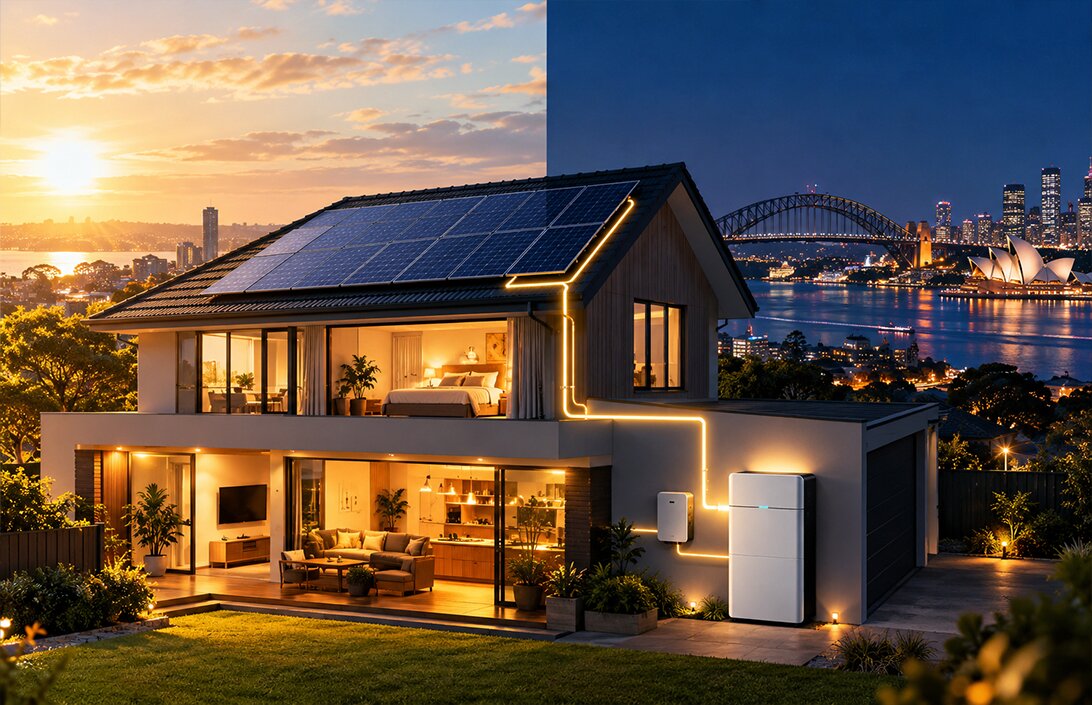
Most Australian homes need a home solar battery with 10kWh to 13kWh of usable capacity to cover a typical evening’s electricity use. However, the exact size depends on your daily power consumption, the size of your solar panel system, and what you want the battery to actually do for your household.
Choosing the right battery size is one of the most important decisions in your solar journey. Get it wrong, and you either overpay for storage you never use, or you end up short on power exactly when you need it most. This guide breaks down solar battery size step by step, using real examples from NSW homes, so you can make a confident, informed choice.
Why Getting Your Solar Battery Size Right Matters
An undersized battery fills up quickly and can’t store your excess solar power. It leaves you relying on the grid earlier than expected, which limits your savings.
An oversized battery, on the other hand, costs more upfront. It may also take longer to pay itself off, especially if your household simply doesn’t use that much stored energy.
Therefore, correct sizing is not about buying the biggest system available. It’s about matching battery capacity to how your home actually uses electricity.
Key Factors That Determine Your Home Solar Battery Size
Several variables shape the ideal battery size for your property. A good installer looks at all of them together, not just one number on your electricity bill.
Your Daily Electricity Usage
Your usage, measured in kilowatt-hours (kWh), is the starting point for any battery sizing decision. You can find this figure on your electricity bill, usually listed as an average daily kWh consumption.
A household using 20kWh per day has very different battery needs than one using 30kWh per day. Also, usage patterns matter just as much as totals. A home that uses most of its power in the evening benefits more from battery storage than one that uses power mostly during the day.
The Size of Your Solar Panel System
Your solar panels generate the energy your battery stores. A small 3kW solar system simply cannot fill a large 20kWh battery on most days, especially through Sydney’s shorter winter daylight hours.
As a general guide, a 6.6kW to 10kW solar panel system pairs well with a 10kWh to 13kWh home solar battery for most suburban NSW homes. Larger solar systems can support larger batteries, since there’s more surplus energy to store.
Household Size and Energy Habits
More people in a home usually means higher electricity use, particularly with appliances like dishwashers, washing machines, air conditioners, and electric vehicle chargers all drawing power.
A single-person household in an apartment has very different needs to a family of five running two air conditioners through a Sydney summer. Consider not just how many people live in your home, but also how many high-draw appliances you regularly use.
Your Energy Goals (Bill Savings vs Blackout Backup vs Off-Grid)
Not everyone wants the same outcome from solar battery storage. Some homeowners simply want to reduce their electricity bills by using stored solar power at night. Others want blackout protection, so essential circuits like fridges and lighting stay powered during outages.
A smaller battery, generally 5kWh to 10kWh, often suits bill-reduction goals. Backup protection or partial off-grid living usually requires 13kWh or more. Full off-grid homes may need 20kWh to 40kWh, paired with a larger solar array.
Average Solar Battery Sizes for Australian Homes
While every home is different, general benchmarks help you understand where your household is likely to sit.
Small Households (1–2 People)
Homes with one or two occupants typically use between 10kWh and 16kWh of electricity per day. A home solar battery in the 5kWh to 8kWh range is usually sufficient, particularly if paired with a 5kW to 6.6kW solar system.
Medium Households (3–4 People)
This is the most common household size across NSW, and it’s where most solar battery storage recommendations land. Average daily usage sits between 18kWh and 25kWh, making a 10kWh to 13kWh battery the sweet spot for most families.
Large Households (5+ People)
Larger families, especially those with pools, ducted air conditioning, or EV charging, often use 30kWh or more per day. A 13kWh to 20kWh battery, sometimes split across two units, tends to suit these homes better.
How to Calculate Your Ideal Solar Battery Size (Step-by-Step)
You don’t need to guess your battery size. A simple calculation gets you close to the right answer before you even speak to an installer.
Step 1: Find your average daily usage.
Check your electricity bill for your average daily kWh consumption. Most retailers display this clearly.
Step 2: Identify your evening and overnight usage.
This is the portion of electricity you use after the sun goes down, when your solar panels are no longer generating power. For many homes, this sits between 30% and 50% of total daily usage.
Step 3: Match that figure to a battery size.
If your evening and overnight usage is around 10kWh, a battery close to that capacity will cover most of your needs without excessive oversizing.
For example, a Castle Hill household using 24kWh per day, with roughly 40% of that consumed after sunset, would need a battery close to 9.6kWh. In practice, this household would likely be recommended a 10kWh unit to allow a small safety buffer.
Popular Home Solar Battery Options Available in NSW
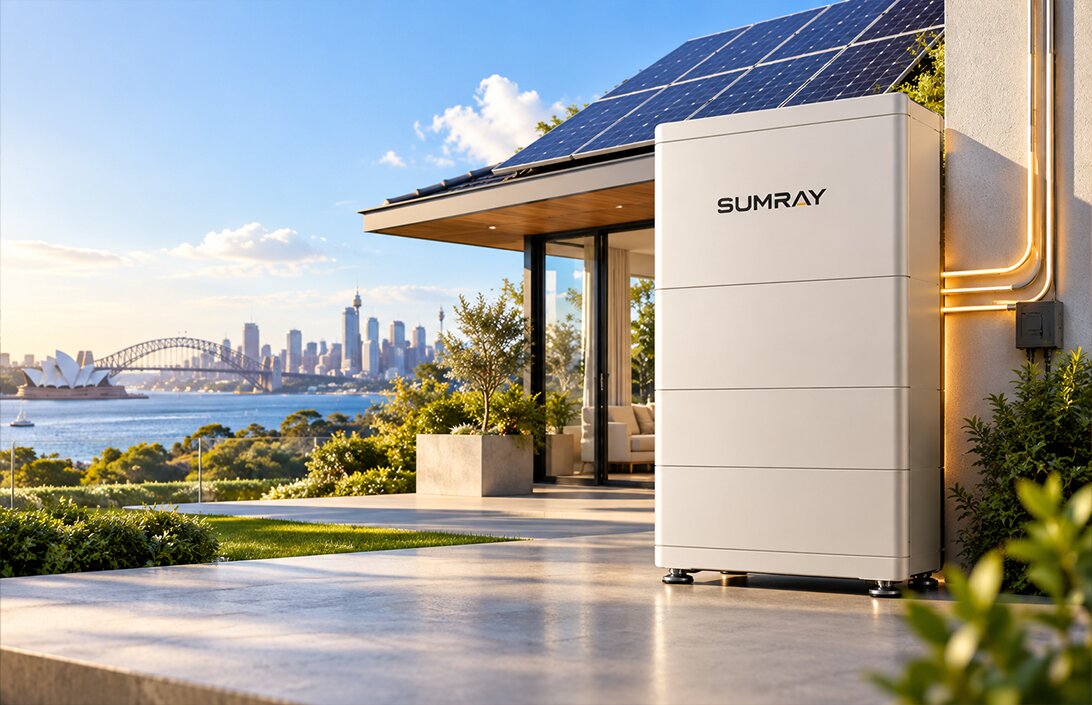
NSW homeowners have access to a strong range of battery brands, each suited to different household sizes and goals. At Battery Deals, we install several trusted options, including Neovolt, Fox ESS, SigenStor, Alpha ESS, Hiconics, and Sumray.
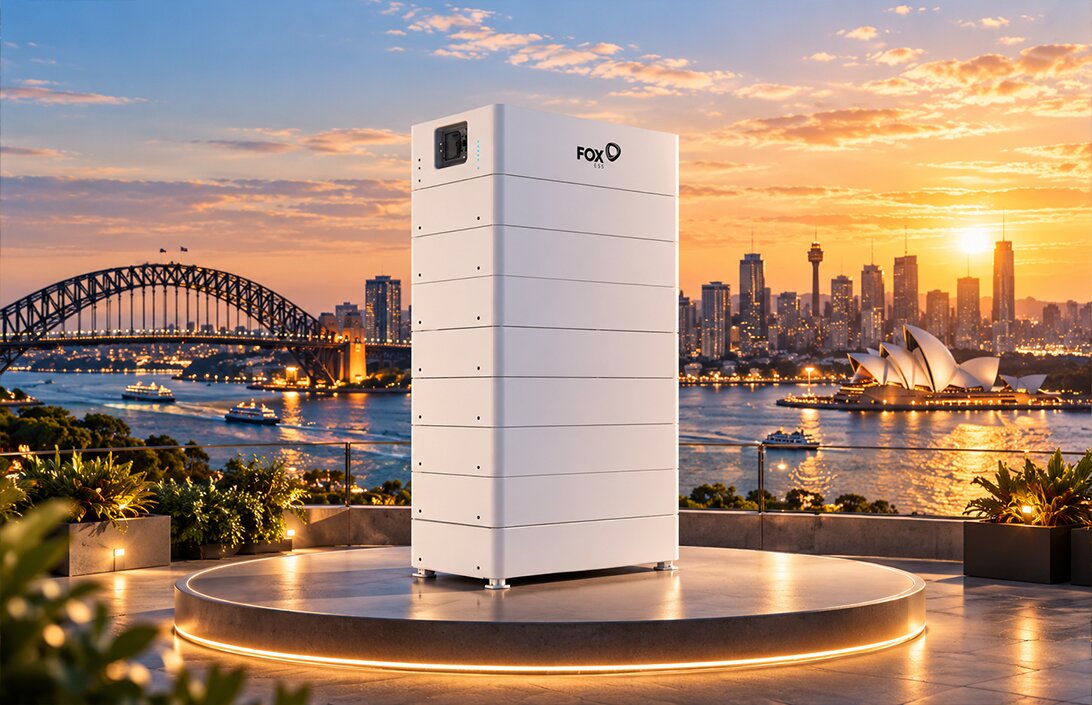
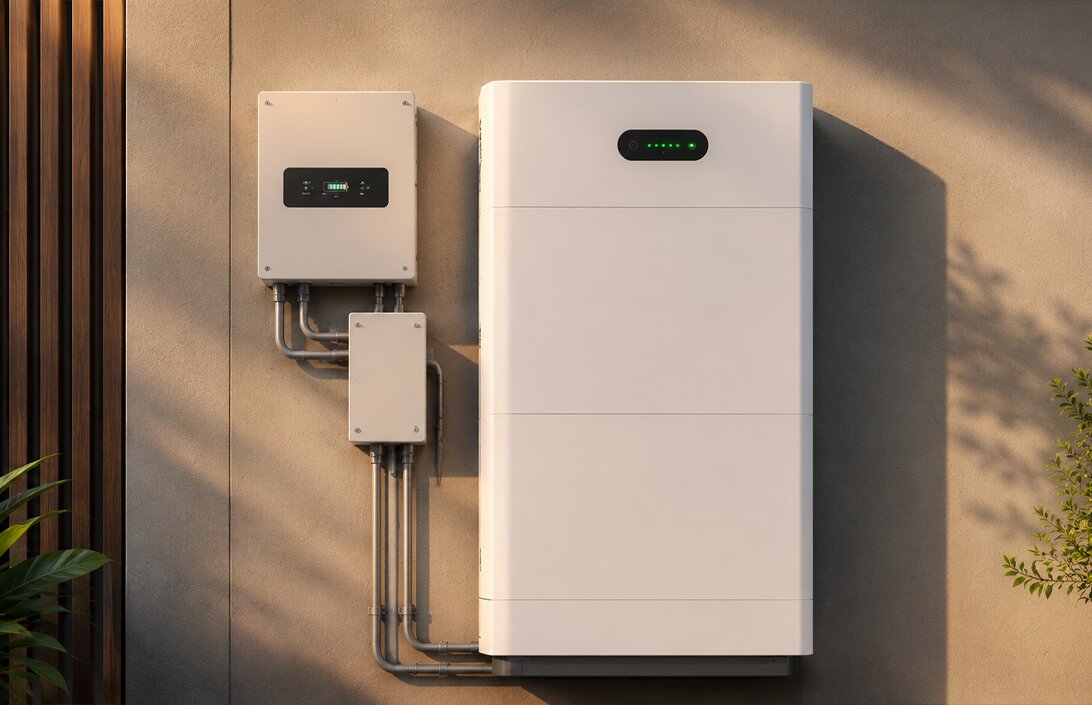
Fox ESS batteries, for example, scale from 4.66kWh up to 41.93kWh, making them suitable for everything from small units to large family homes. SigenStor offers an AI-optimised, all-in-one energy system built for households wanting maximum efficiency and flexibility. Neovolt’s residential range typically covers 5kWh to 10kWh, a strong fit for standard suburban homes.
The best solar battery for your house isn’t necessarily the biggest or the most expensive. It’s the one that matches your daily usage, your solar system size, and your long-term energy goals.
Solar Battery Storage and NSW Rebates: What You Should Know
Battery pricing in 2026 is shaped significantly by government incentives, and this can influence which battery size makes the most financial sense.
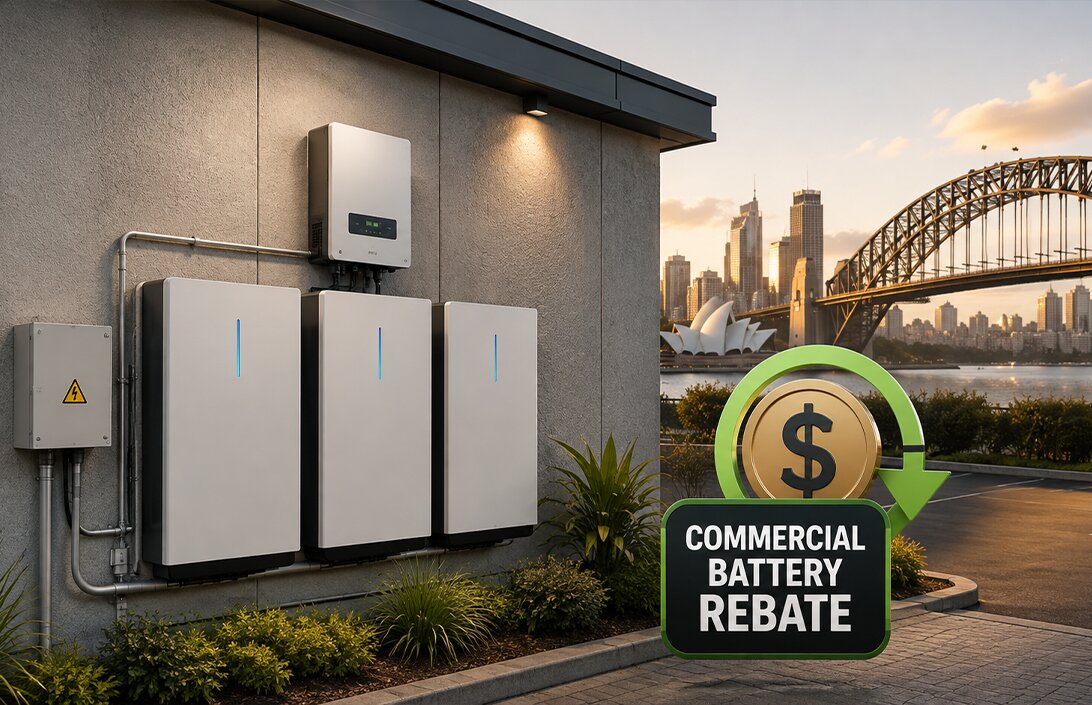
The federal Cheaper Home Batteries Program currently offers a discount of roughly $250 to $270 per usable kWh, applied upfront through your installer. This rebate is tiered, with the strongest value sitting within the first 14kWh of battery capacity. Systems above that threshold still qualify, but at a reduced rate per kWh.
NSW also offers a Virtual Power Plant (VPP) incentive for eligible batteries connected to a participating VPP. This is a separate, stackable payment on top of the federal rebate, though the exact amount depends on your VPP provider and contract terms.
Because rebate value is strongest for batteries up to 14kWh, many NSW households find that a 10kWh to 13kWh solar battery nsw installation delivers the best balance between capacity and rebate return. Rebate rates also step down periodically, so timing your solar battery installation can meaningfully affect your final cost. It’s worth confirming current figures with your installer, since these rates are updated by the government throughout the year.
Common Mistakes When Sizing a Home Solar Battery
Many homeowners size their battery based on price alone, choosing the cheapest option without checking whether it matches their usage. This often leads to disappointing savings.
Another common mistake is ignoring solar panel capacity. A battery is only as useful as the solar energy available to fill it. Pairing an undersized solar system with a large battery leaves that extra storage capacity unused on most days.
Some homeowners also overlook future needs. If you’re planning to buy an electric vehicle or install ducted air conditioning within the next few years, it’s worth sizing your battery with that future usage in mind, rather than resizing the whole system later.
Why Choose Battery Deals for Your Home Solar Battery Installation
At Battery Deals, we understand that every household is unique. That’s why we don’t push a one-size-fits-all battery on every customer. Instead, our team reviews your electricity usage, your existing or planned solar system, and your household goals before recommending a home solar battery.
We’re backed by industry leader SunLED and partner with trusted brands including Neovolt, Fox ESS, SigenStor, Alpha ESS, Hiconics, and Sumray. Our certified installers handle the full process, from free assessment through to installation and grid connection, so you get a system sized correctly the first time.
If you’re based in Sydney or across NSW and want tailored advice on solar battery size, our team can walk you through the numbers and current rebate eligibility before you commit to anything.
Conclusion
The right solar battery size for your house depends on your daily electricity usage, your solar panel capacity, and your household’s energy goals, with most NSW homes landing between 10kWh and 13kWh of usable storage. Rather than guessing or choosing based on price alone, it’s worth calculating your actual evening usage and speaking with a qualified installer who can factor in your solar system and current rebate eligibility.
If you’re ready to find the right home solar battery for your Sydney or NSW home, the team at Battery Deals can assess your usage and recommend a system built around your household, not a generic package. Get in touch for a free solar battery quote today.
FAQs About Home Solar Battery Sizing
What is the average home solar battery size in Australia?
Most Australian homes install a battery between 10kWh and 13kWh, which suits typical three to four person households.
Can a solar battery be too big for my house?
Yes. An oversized battery costs more upfront and may take significantly longer to pay itself off if your household doesn’t use enough stored energy to fill it regularly.
Do I need a bigger solar system to support a bigger battery?
Generally, yes. A larger battery needs more solar generation to charge fully, so panel capacity and battery size should be planned together.
How much does a home solar battery cost in NSW after rebates?
Costs vary by brand and capacity, but current federal and NSW incentives can reduce the upfront cost of a 10kWh battery by several thousand dollars. Speak with an installer for an exact quote.
Is a 5kWh battery enough for a house?
A 5kWh battery can suit small households or apartments with lower evening usage, but most family homes need closer to 10kWh for meaningful backup and bill savings.
Latest from Our Blog