Blog
Is a Solar Battery Worth It in Sydney?
If you already own solar panels, you have probably asked yourself one question. Is a solar battery worth it in Sydney? It is a fair question. A solar battery can cost several thousand dollars upfront, so the decision deserves real numbers, not guesswork. In this guide, we break down Sydney electricity prices, current rebates, and realistic payback periods. By the end, you will know exactly whether a solar battery makes financial sense for your home.
Why Sydney Homeowners Are Asking About Solar Batteries
Solar panels have become common across Sydney rooftops. Over one million NSW homes now generate their own electricity. However, most solar owners still pay high evening power bills.
This happens because solar panels produce power during the day. Most households use the most electricity in the evening, after the sun goes down. Without storage, that gap gets filled with expensive grid electricity.
A solar battery closes this gap. It stores your excess daytime solar power so you can use it after sunset. Therefore, more homeowners are exploring battery storage as bill pressure continues to rise.
How Does a Solar Battery Work in a Sydney Home?
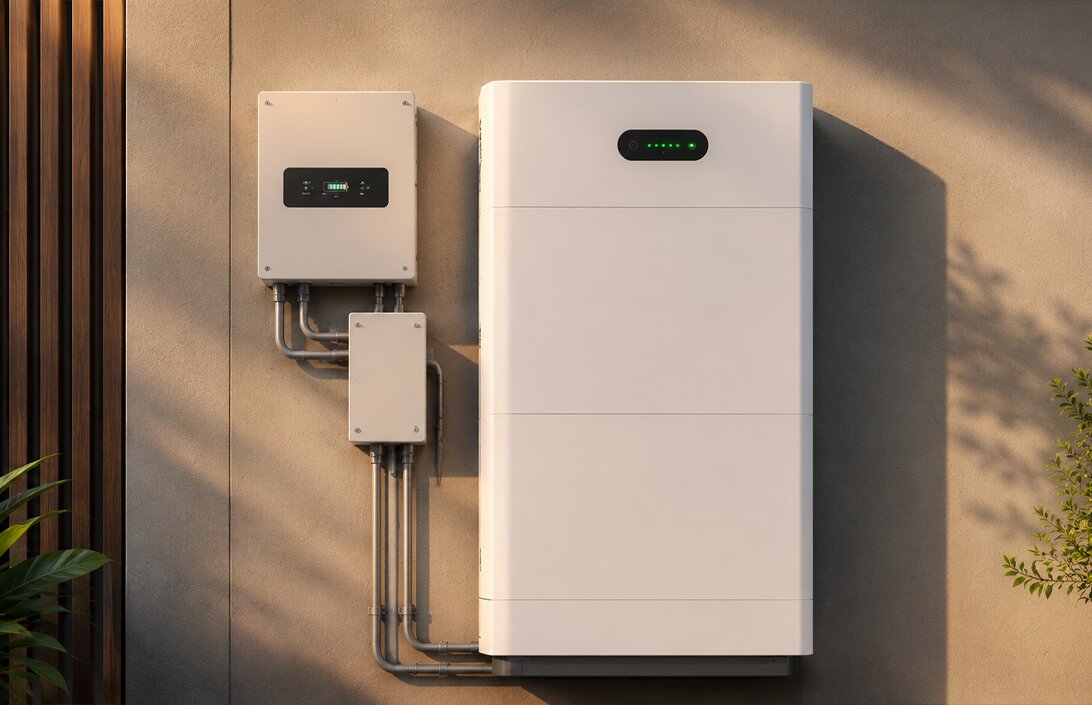
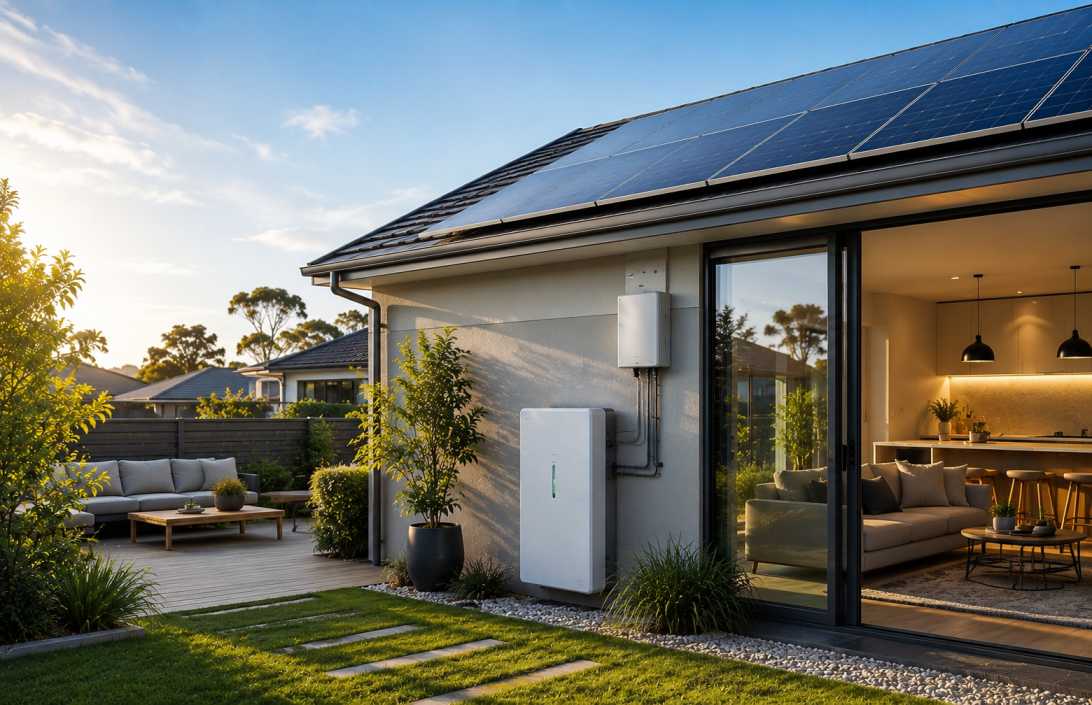
A solar battery connects to your existing solar panel system. During the day, your panels generate more electricity than your home needs. Instead of exporting all of it to the grid, the battery stores the surplus.
Once the sun sets, your home draws power from the battery first. Only when the battery runs low does your home switch back to grid electricity. This process happens automatically, with no manual switching required.
Many modern systems also include smart monitoring apps. These apps let you track your solar production, battery charge level, and daily savings in real time.
Sydney Electricity Prices and Feed-in Tariffs in 2026
Understanding local electricity prices helps explain why a solar battery is worth considering in Sydney. As of mid-2026, NSW households pay an average electricity rate of around 28 to 37 cents per kilowatt-hour, depending on the retailer and network zone. Meanwhile, solar feed-in tariffs have dropped significantly.
Why Falling Feed-in Tariffs Make a Solar Battery More Valuable
IPART’s 2026-27 benchmark feed-in tariff sits between roughly 3.4 and 6.5 cents per kilowatt-hour for standard flat-rate exports. That means exporting solar power to the grid earns you only a few cents per unit. However, using that same power inside your home saves you the full retail rate instead.
This gap, often five to ten times higher for self-use than for export, is the main reason a solar battery has become more attractive. Every kilowatt-hour you store and use yourself is worth far more than the same unit sold back to the grid.
The Real Cost of a Solar Home Battery in Sydney
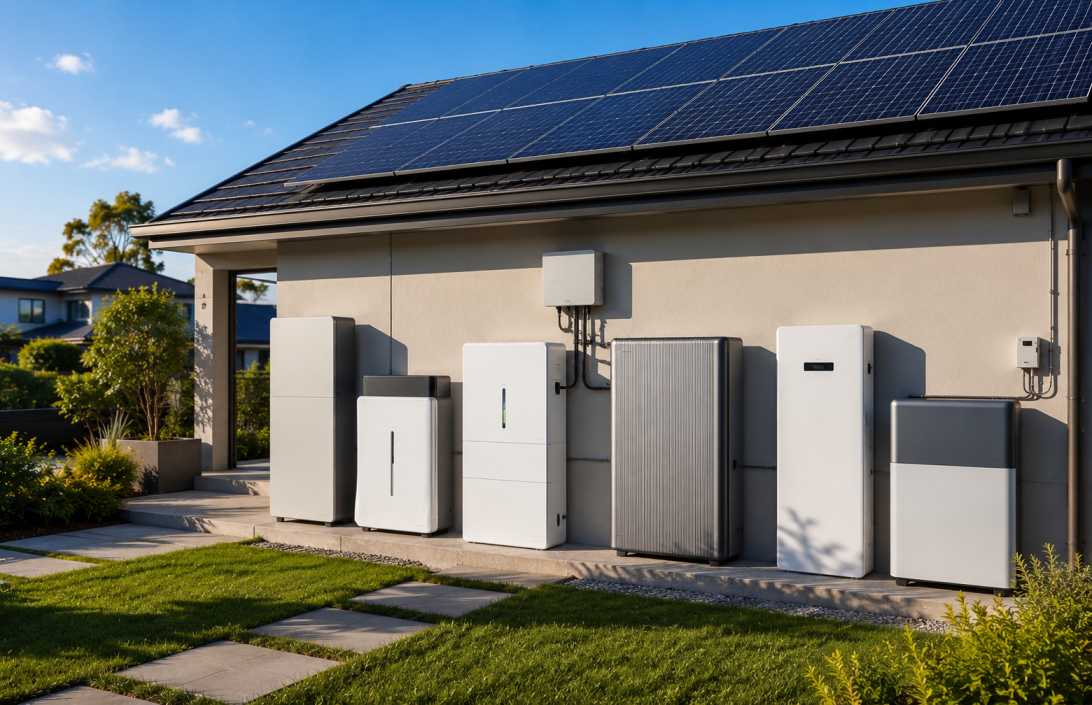
Battery prices vary depending on capacity, brand, and installation complexity. A typical residential solar battery in Sydney, sized between 10kWh and 15kWh, generally costs between $8,000 and $16,000 before rebates. Larger systems designed for whole-home backup cost more.
Battery Deals offers financed options too. For example, some Fox ESS systems are available from around $16 per week, while eligible Home Energy Saver loan customers can access certain batteries from roughly $8 per week. This makes a solar home battery accessible without a large upfront payment.
Pricing also depends on your existing solar setup. Retrofitting a battery onto an existing system is usually simpler and cheaper than installing solar panels and a battery together.
Government Rebates That Lower the Cost of a Solar Battery
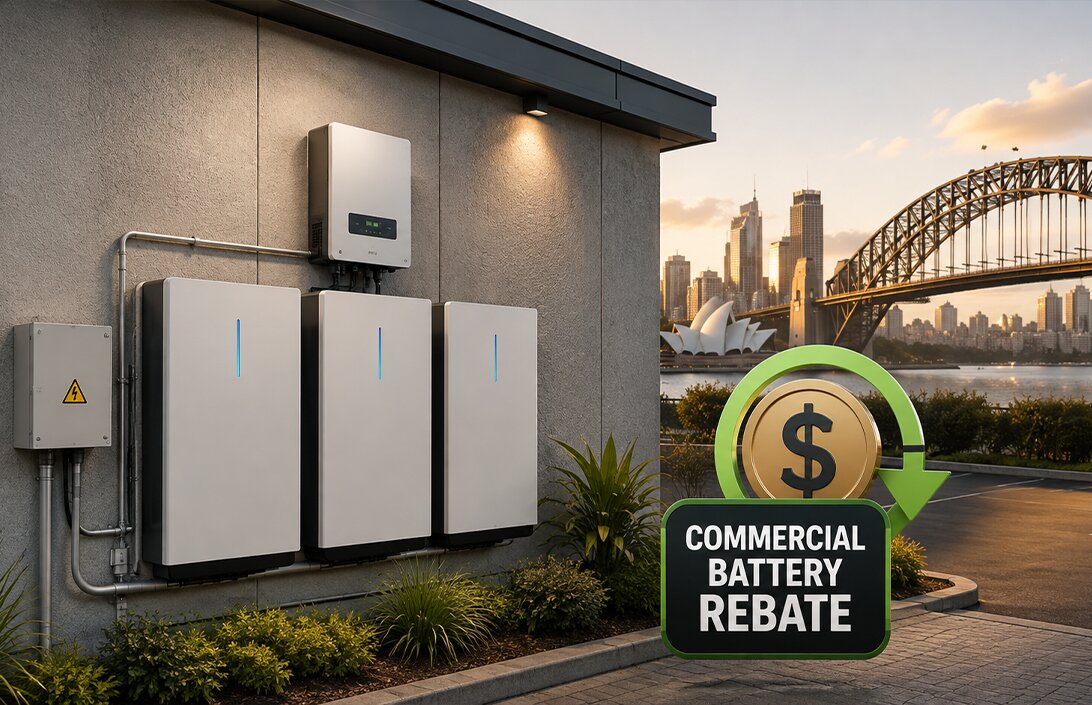
Rebates significantly change the value equation for a solar battery in Sydney. Two main incentives currently apply to NSW households.
The Federal Cheaper Home Batteries Program
Launched on 1 July 2025, this federal program discounts the upfront cost of eligible batteries between 5kWh and 100kWh. The discount is delivered through Small-scale Technology Certificates, or STCs, and generally reduces battery costs by around 30 percent.
From 1 May 2026, the rebate structure changed. Batteries now receive the full STC rate on the first 14kWh of usable capacity. Capacity between 14kWh and 28kWh receives a reduced rate, while capacity above 28kWh receives only a small discount. As a result, right-sizing your battery matters more than ever.
The NSW Virtual Power Plant Incentive
NSW also offers a separate incentive for batteries connected to a participating Virtual Power Plant, or VPP. This incentive stacks on top of the federal rebate. From 1 July 2026, eligibility widened to batteries up to 50kWh, although the payment still applies only to the first 28kWh of usable capacity.
Combined, these two programs can reduce the cost of a mid-sized solar battery by several thousand dollars. Consequently, many Sydney households now find batteries far more affordable than just a few years ago.
How Long Does a Solar Battery Take to Pay Off in Sydney?
Payback periods depend on your electricity usage, battery size, and rebate eligibility. However, most well-sized systems in Sydney currently pay themselves off within six to nine years.
Consider a household with a $1,800 annual electricity bill on the Ausgrid network. Adding a correctly sized solar battery could offset a large portion of evening usage, potentially saving $800 to $1,200 per year. After rebates, many batteries carry a warranty period of ten years or more, meaning the system can continue delivering free savings well after payback.
Households with high evening electricity use, such as families running air conditioning, electric vehicles, or heat pumps at night, typically see faster payback than homes with lower usage.
Benefits of a Solar Battery Beyond Bill Savings
Financial savings are not the only reason to consider a solar battery. Several other benefits matter too, especially in Sydney’s climate and grid conditions.
Backup Power During Blackouts
Sydney experiences occasional storms and grid outages, particularly during summer. A solar battery with backup capability keeps essential circuits running when the grid goes down. This includes lighting, refrigeration, and internet access, depending on your system configuration.
Earning Money Through a Virtual Power Plant
Connecting your solar battery to a VPP allows your energy retailer to draw stored power during peak demand periods. In return, you receive payments or bill credits. This turns your battery into a small income source, on top of the electricity bill savings it already provides.
Is a Solar Battery Worth It for Every Sydney Home?
Not every household benefits equally from a solar battery. Homes with small solar systems, low evening electricity use, or minimal daytime export may see longer payback periods.
On the other hand, a solar battery tends to suit homes well if they already have rooftop solar, use most of their electricity in the evening, or experience frequent power outages. It also suits households wanting to reduce reliance on the grid altogether.
Therefore, the right answer depends on your specific electricity habits. A free home assessment, like the ones offered by Battery Deals, can confirm whether a solar battery makes sense for your household before you commit.
How to Choose the Right Solar Battery for Your Home
Choosing a solar battery involves more than comparing price tags. Capacity should match your evening electricity use, not exceed it unnecessarily, since oversized batteries now receive smaller rebates under the updated federal program.
Brand reliability also matters. Systems such as Fox ESS, Neovolt, and SigenStor each offer different strengths, from scalable modular designs to AI-optimised energy management. Additionally, check warranty length, depth of discharge, and VPP compatibility before deciding.
Working with a certified local installer ensures your solar battery is sized correctly and installed to Australian safety standards. This also protects your eligibility for federal and state rebates.
Conclusion
For most Sydney homeowners with existing solar panels, a solar battery is worth it in 2026. Falling feed-in tariffs, rising electricity prices, and strong government rebates have shifted the economics in favour of battery storage. Payback periods of six to nine years, combined with backup power and VPP earnings, make a compelling case.
However, the decision still depends on your household’s energy habits. A professional assessment remains the best way to confirm your expected savings before installing a solar battery.
If you are ready to find out how much you could save, Battery Deals offers free, no-obligation quotes tailored to your home and energy usage across Sydney, NSW.
Latest from Our Blog