Blog
Solar Battery vs Panels: Should You Get a Battery or More Solar?
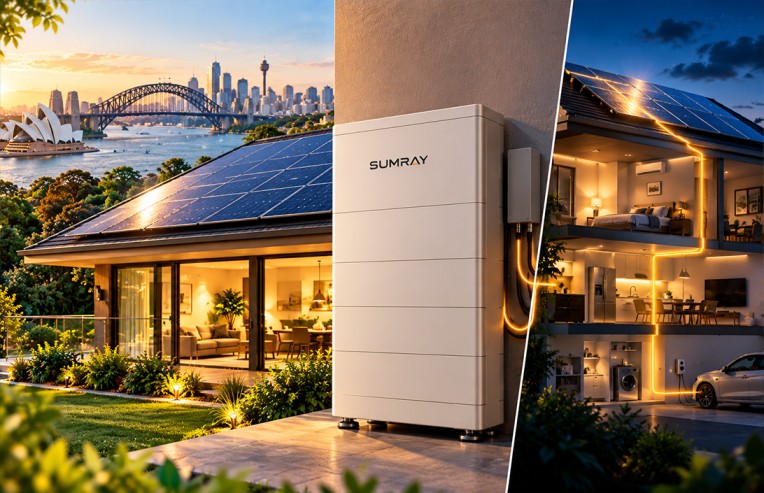
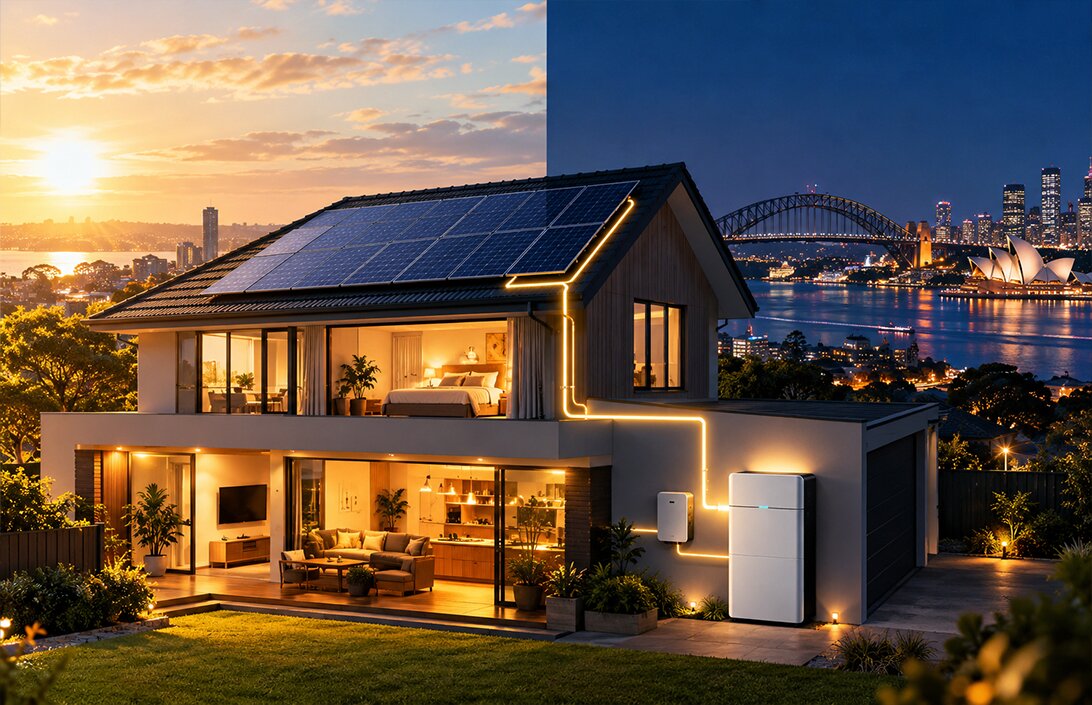
A Solar battery would be a better upgrade option if your current Solar System already covers most of your power usage.
However, if the current amount of Solar Power Generation is not sufficient to cover your household’s power consumption, installing
However, if your Panels aren’t generating enough power to meet your household’s daily needs, adding more Solar Panels could offer better value.
The right choice depends on your consumption pattern, existing system size, backup needs, and available roof space. Battery Deals recommends sizing solar and storage together, rather than treating them as separate purchases.
What Solar Panels Actually Do
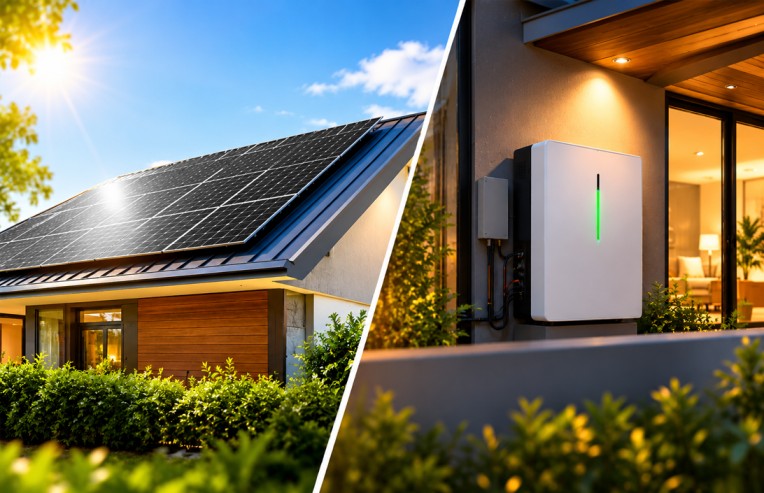
Solar panels convert sunlight into DC electricity. An inverter converts that electricity into usable AC power for your home.
More panels boost overall generation, particularly in the winter, on overcast days, and in the morning or late afternoon.
That can help if you:
- High daytime electricity use.
- Run air conditioning, pool pumps, or an electric hot-water system during sunlight hours.
- Have a small existing system of 3kW or 5kW.
- Looking to support a future EV, heat pump, or larger battery.
- Have adequate roof space.
However, extra panels do not solve the core timing problem: most households use relatively little power in the middle of the day and much more in the evening.
What a Solar Battery Actually Does
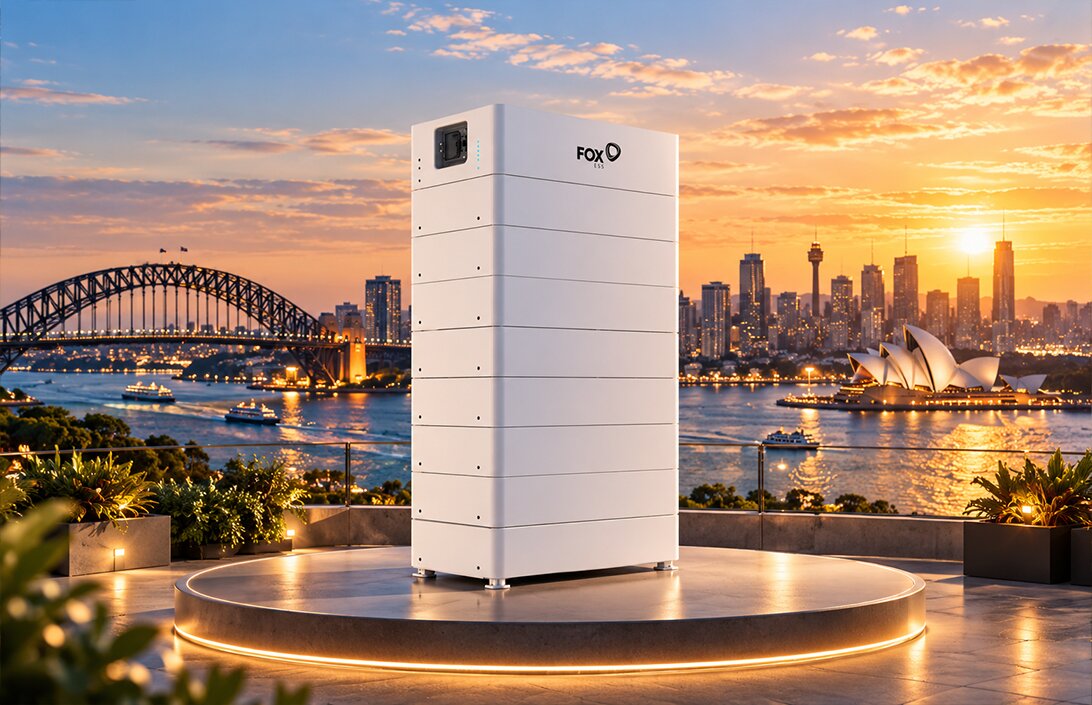
A solar battery stores surplus daytime solar energy and discharges it after sunset.
It minimises grid imports during peak night-time hours and, if managed properly, can supply backup power during an outage.
Battery performance depends on several technical specifications:
Specification | What It Means | Why It Matters |
Nominal capacity | Total rated energy storage in kWh | Marketing figure; not always fully usable |
Usable capacity | Energy you can actually access after depth-of-discharge limits | The fairest basis for comparing batteries |
Depth of discharge (DoD) | Percentage of capacity the battery can safely use | Higher DoD means more usable energy from the same nominal size |
Round-trip efficiency | Energy returned as a percentage of energy stored | Modern LFP systems are commonly around 90–95% |
Continuous power | kW the battery can deliver continuously | Determines how many appliances it can run simultaneously |
Peak/surge power | Short-term output for motor start-up loads | Important for pumps, air conditioners, and fridges |
Cycle life/warranty | Expected cycles or warranted energy throughput | Indicates long-term durability and value |
When to opt for a Solar Battery OR Solar Panels
Choose a battery first if your panels already generate more electricity than you use during the day.
Choose additional panels first if your system is undersized relative to your consumption.
Solar Battery | Solar Panel |
Have high evening and overnight consumption. | Your average daily usage exceeds your current solar generation. |
Are on a time-of-use tariff with expensive peak rates. | Substantial power during daylight hours. |
Want protection from blackouts | When the inverter has sufficient capacity or can be upgraded |
Already have a suitably sized solar array. | Roof space, shading, and switchboard capacity allow an expansion. |
Want to reduce reliance on grid electricity. | You plan to add an EV charger, heat-pump hot water, or air conditioning. |
For many Australian homes, 10kWh to 13kWh of usable capacity is a practical starting point for covering a typical evening’s usage. To know more, refer to the home solar battery.
Check the Technical Match
Before buying, review these system-level details:
- Solar array size
- Inverter capacity
- AC- vs DC-coupling
- Backup circuits
- Continuous output
- Temperature rating and installation location
- Warranty terms: Look beyond years
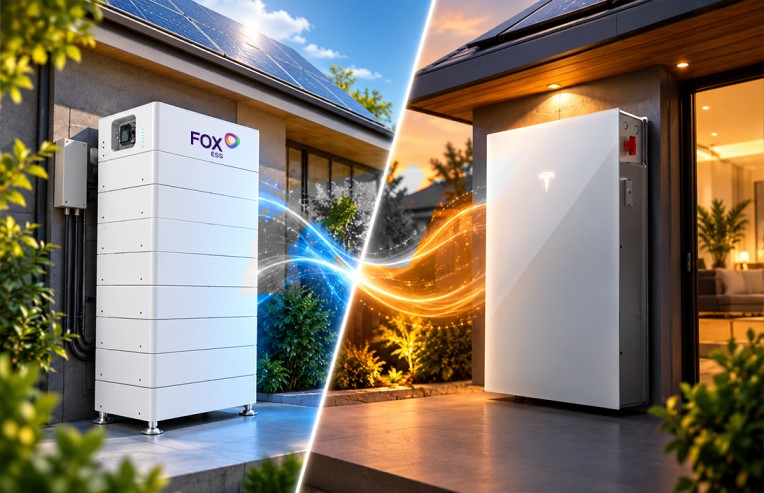
Explore premium batteries for your needs.
Cost and Payback
While a battery will initially cost more than a panel, its value may exceed that of a panel due to high consumption during evenings.
Battery Deals estimates that a typical 10kWh to 15kWh residential battery costs about $8,000 to $16,000 before rebates, while many NSW households see payback in roughly 6 to 9 years. High-usage households – particularly those charging EVs or running major evening loads – can sometimes achieve payback in 3 to 4 years.
The Best Answer: Size Them Together
For most homes, the ideal setup is not “battery versus panels” but a balanced system:
Small solar high daytime use: | Add panels first. |
Medium-sized solar high evening use: | Add a battery. |
High overall consumption | Expand both with the battery sized to actual surplus generation and evening demand. |
Frequent outages: | Prioritise a battery with sufficient usable capacity, continuous output, and backup-circuit support. |
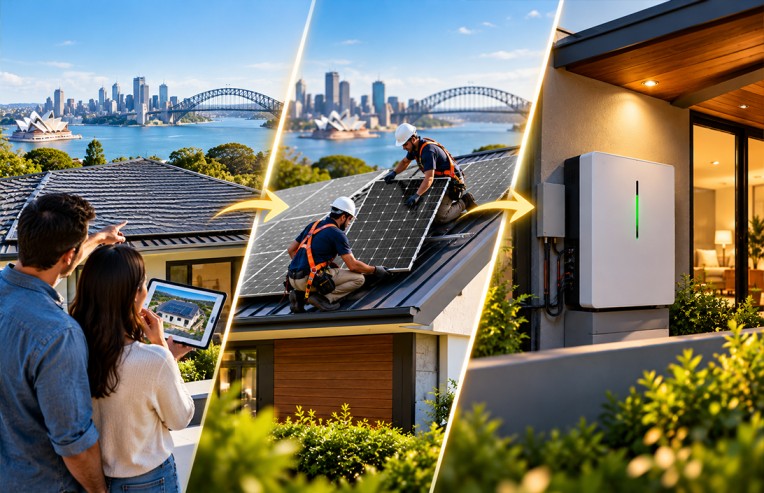
Before committing, calculate your average daily kWh use, identify evening consumption, review your existing inverter and roof capacity, and compare batteries on usable kWh, continuous kW, efficiency, and warranty. Get a free quote from Battery Deals.
Ready to compare options? Explore more guides on the Battery Deals.
Latest from Our Blog