Blog
NSW Home Energy Saver Loan 2026: Income Limit Drops to $150,000
The NSW Home Energy Saver Loan income eligibility limit will decrease from $210,000 to $150,000 on 10 November 2026. This change affects NSW homeowners planning to finance solar panels, home batteries and other energy-efficient upgrades. Households applying before the change can still be assessed against the existing $210,000 threshold.
The NSW Government announced the update on 4 November 2026. The change aims to direct interest-free finance towards more low- and middle-income households.
If you’re considering solar or battery installation in Sydney, understanding the new eligibility requirements could help you plan your next steps.
What Is Changing in the NSW Home Energy Saver Loan?
The NSW Government is reducing the combined taxable household income threshold by $60,000.
Previously, eligible homeowners could apply with a combined annual taxable household income of up to $210,000.
From 10 November 2026, the maximum income threshold will decrease to $150,000.
NSW Solar Finance Limit Update
| Eligibility Requirement | Before 10 November 2026 | From 10 November 2026 |
|---|---|---|
| Combined taxable household income | Up to $210,000 | Up to $150,000 |
| Maximum loan amount | $15,000 | $15,000 |
| Interest rate | 0% | 0% |
| Maximum repayment period | 10 years | 10 years |
| Eligible upgrades | Solar, batteries and other approved upgrades | Solar, batteries and other approved upgrades |
The loan amount and interest rate remain unchanged. Only the household income eligibility threshold is being reduced.
Who Will Be Affected by the New $150,000 Income Limit?
The change primarily affects households earning between $150,000 and $210,000 annually.
For example, consider a Sydney household where one homeowner earns $105,000 and another earns $75,000.
Their combined taxable household income is $180,000.
Under the previous threshold, they could meet the income requirement. However, they would exceed the new $150,000 limit.
Households earning $150,000 or less may continue to qualify, provided they meet the remaining eligibility conditions.
Importantly, household income is not the only requirement. Applicants must also meet property ownership, residency and finance provider requirements.
What Is the Application Deadline for Existing Brighte Referrals?
Households affected by the income threshold reduction should act before the new rules take effect.
According to the Brighte communication provided to Battery Deals, existing referrals and in-progress applications must be submitted before 9:00 am on 10 November 2026.
The NSW Government separately confirms that applications submitted before 10 November will continue to be assessed against the existing $210,000 threshold.
Because the precise cutoff time and application status requirements may differ between finance providers, applicants should confirm their deadline directly with Brighte.
Submitting an application does not guarantee approval. Applicants must still satisfy the lender’s assessment requirements.
How Does the $15,000 Interest-Free Solar and Battery Loan Work?
The NSW Home Energy Saver Loan helps eligible households finance approved energy-efficient home improvements without paying interest.
Eligible homeowners can access up to $15,000, repayable over a maximum of 10 years.
The program covers upgrades such as rooftop solar panels, home battery systems, reverse-cycle air conditioning and heat pump hot water systems.
For example, a homeowner borrowing $12,000 over 10 years would repay approximately $100 monthly, assuming equal repayments and no additional charges.
However, actual repayment arrangements depend on the finance agreement.
The program is funded by the NSW Government and delivered through participating providers, including Brighte and Plenti.
Is the NSW Home Energy Saver Loan a Rebate?
No. The Home Energy Saver Loan is interest-free finance, not a government rebate or cash grant.
You must repay the borrowed amount according to your approved loan agreement.
However, eligible solar and battery installations may also qualify for separate government incentives.
This can help reduce the overall cost of upgrading your home.
How Can Sydney Homeowners Apply for the Home Energy Saver Loan?
Sydney homeowners interested in the program should first check their household income and other eligibility requirements.
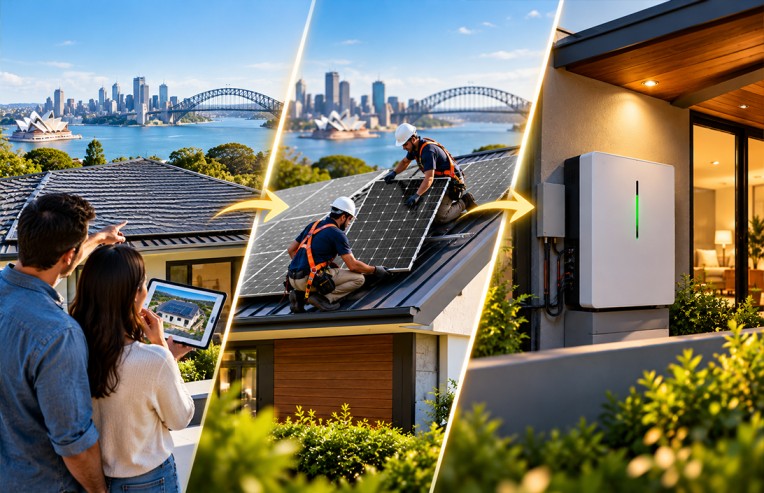
Next, they can request quotes for eligible solar panels, battery storage or other approved upgrades.
A participating supplier can explain available products and assist with the relevant application process.
The finance provider will assess the application, including supporting income documentation.
For homeowners with existing Brighte referrals, confirming the submission status before the transition deadline is especially important.
Applications remain subject to finance approval, program requirements and participating supplier arrangements.
Can You Combine the Loan With Solar Battery Rebates?
Yes. Eligible Home Energy Saver loans can be combined with certain government incentives, subject to program requirements.
For example, an eligible residential battery installation may qualify for the Australian Government’s Cheaper Home Batteries Program.
This incentive reduces the upfront cost of qualifying battery systems.
The Home Energy Saver Loan may then help finance the remaining eligible amount.
However, the battery, installer and applicant must meet the requirements of both programs.
Homeowners should request an itemised quote showing the battery price, applicable incentives and remaining finance amount.
Conclusion
The NSW Home Energy Saver Loan will have a new $150,000 household income limit from 10 November 2026. Homeowners earning between $150,000 and $210,000 should check whether they can apply under the existing eligibility rules before the transition.
For Sydney homeowners planning solar panels or battery storage, the program can provide up to $15,000 in interest-free finance, subject to approval.
Planning Solar or Battery Installation in Sydney?
Battery Deals helps Sydney and NSW homeowners explore suitable solar panels, home batteries and available finance options.
Whether you’re upgrading an existing solar system or installing a new battery, our team can help you understand your options.
Contact Battery Deals on 1300 133 014 to request a free solar or battery installation quote.
Finance is subject to eligibility, lender approval, participating supplier arrangements and applicable terms and conditions.
Frequently Asked Questions
What is the new NSW Home Energy Saver Loan income limit?
The new combined taxable household income limit is $150,000 annually, effective from 10 November 2026.
Can I still apply if my household earns $180,000?
You may qualify under the previous income threshold if your application meets the transitional submission requirements. Confirm the deadline with your finance provider.
Is the NSW Home Energy Saver Loan interest-free?
Yes. The program offers eligible applicants zero-interest loans of up to $15,000, repayable over up to 10 years.
Can I use the loan to install a solar battery?
Yes. Eligible residential battery systems are among the approved energy upgrades supported by the program.
Will the Home Energy Saver Loan end on 10 November 2026?
No. The announced change concerns the income eligibility threshold, not the closure of the loan program.
Latest from Our Blog